Find My Stay

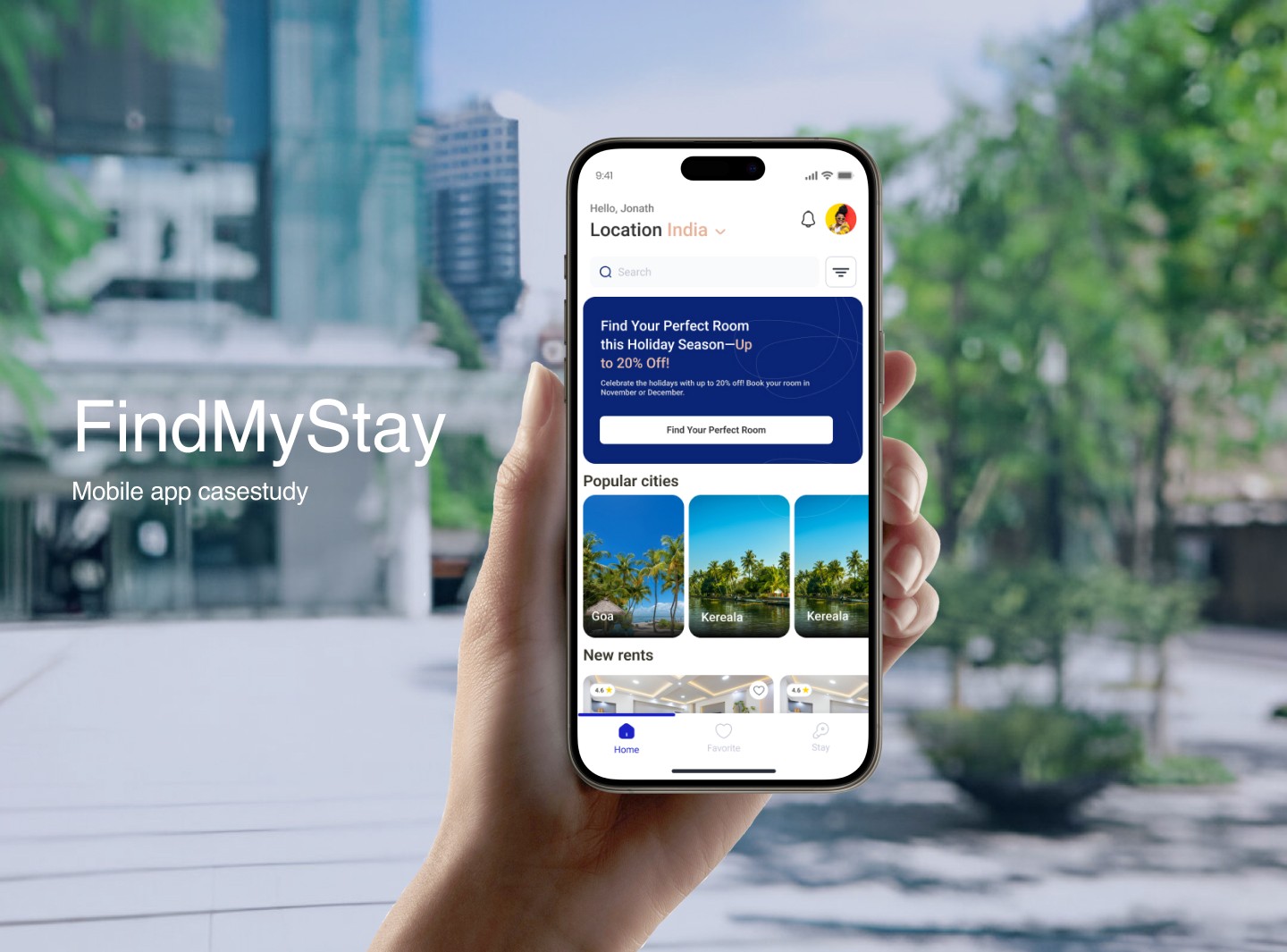
The app helps people find verified rooms near their workplace or other preferred locations. -

Role

UX/UI Designer

Industry

Rental Accommodation

Duration

4 months
a cell phone on a table

Stage 1. User Research

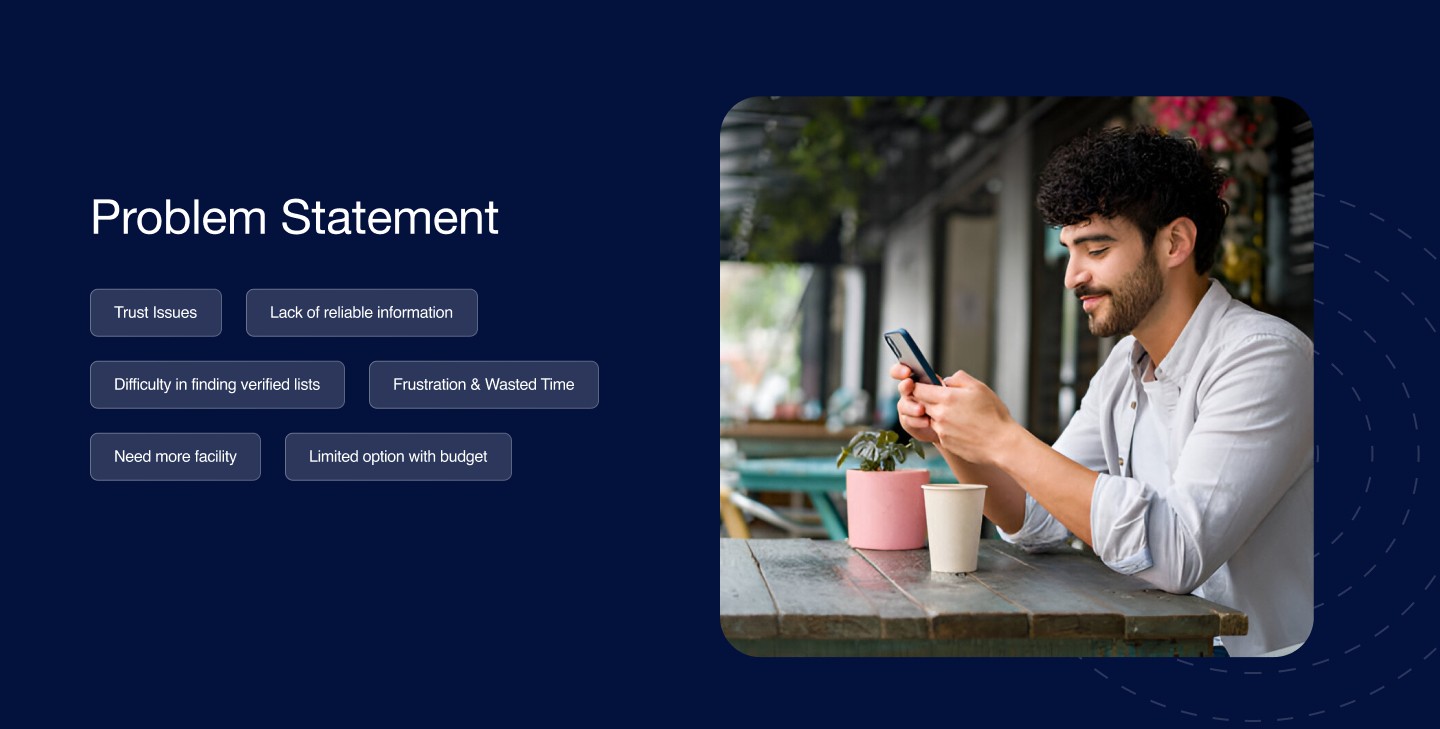
The project began with understanding the challenges people face while searching for PGs, hostels, and rental rooms. Through informal user interviews and secondary research, I identified key pain points such as lack of trust in listings, poor-quality photos, unclear pricing, and difficulty contacting property owners. These insights helped define the core problems FindMyStay aimed to solve.

Stage 2. Design Strategy

Based on research insights, I defined a strategy focused on trust, transparency, and ease of discovery. The goal was to help users quickly find verified stays with clear information and minimal friction. I prioritized features such as detailed room listings, real photos, filters based on user needs, and a simple inquiry flow, while planning scalability for future enhancements like bookings and payments.

Stage 3. Design Execution

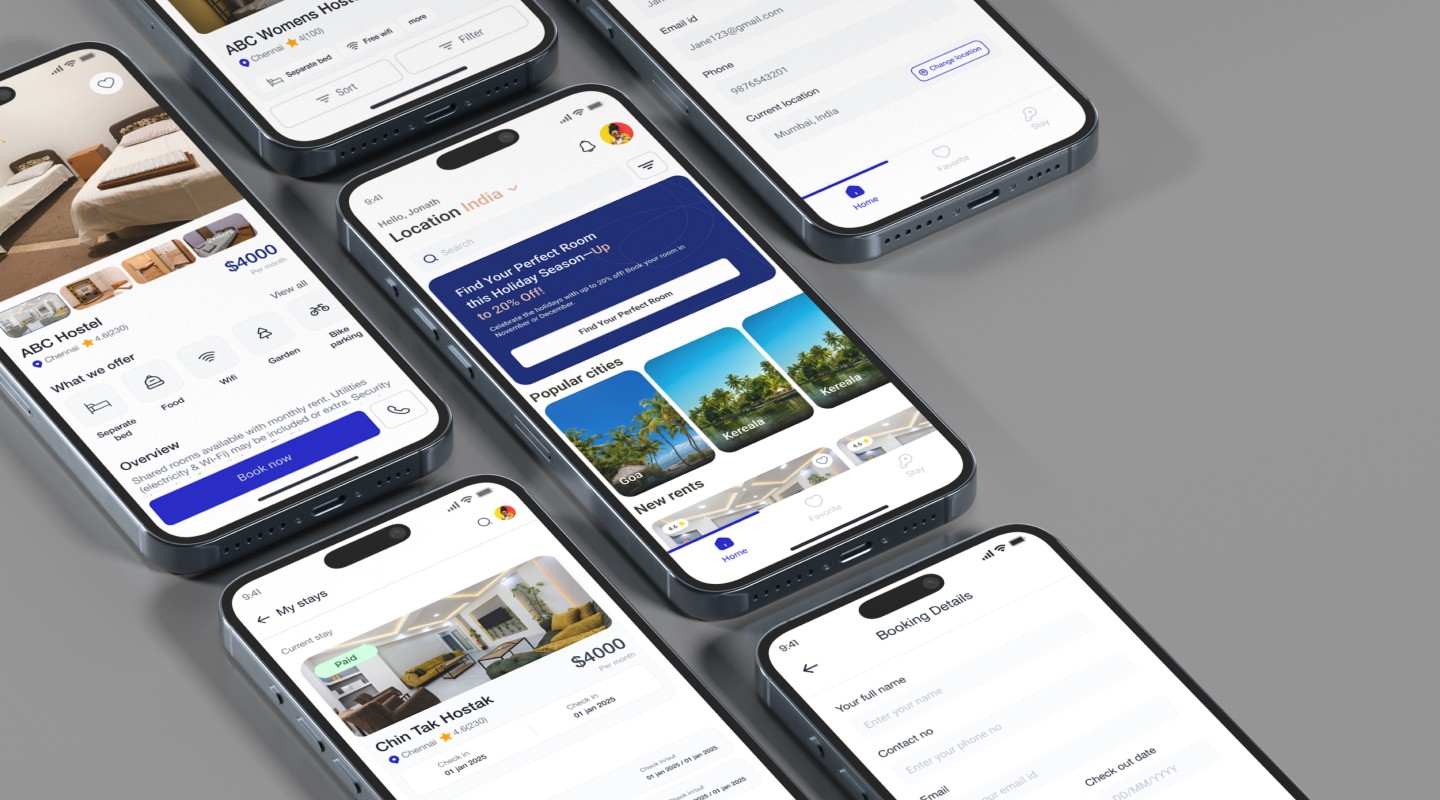
  • Wireframing: I created user flows and wireframes for key journeys, including searching for stays, viewing room details, and contacting property owners. The wireframes focused on reducing confusion, improving clarity, and helping users make confident decisions.

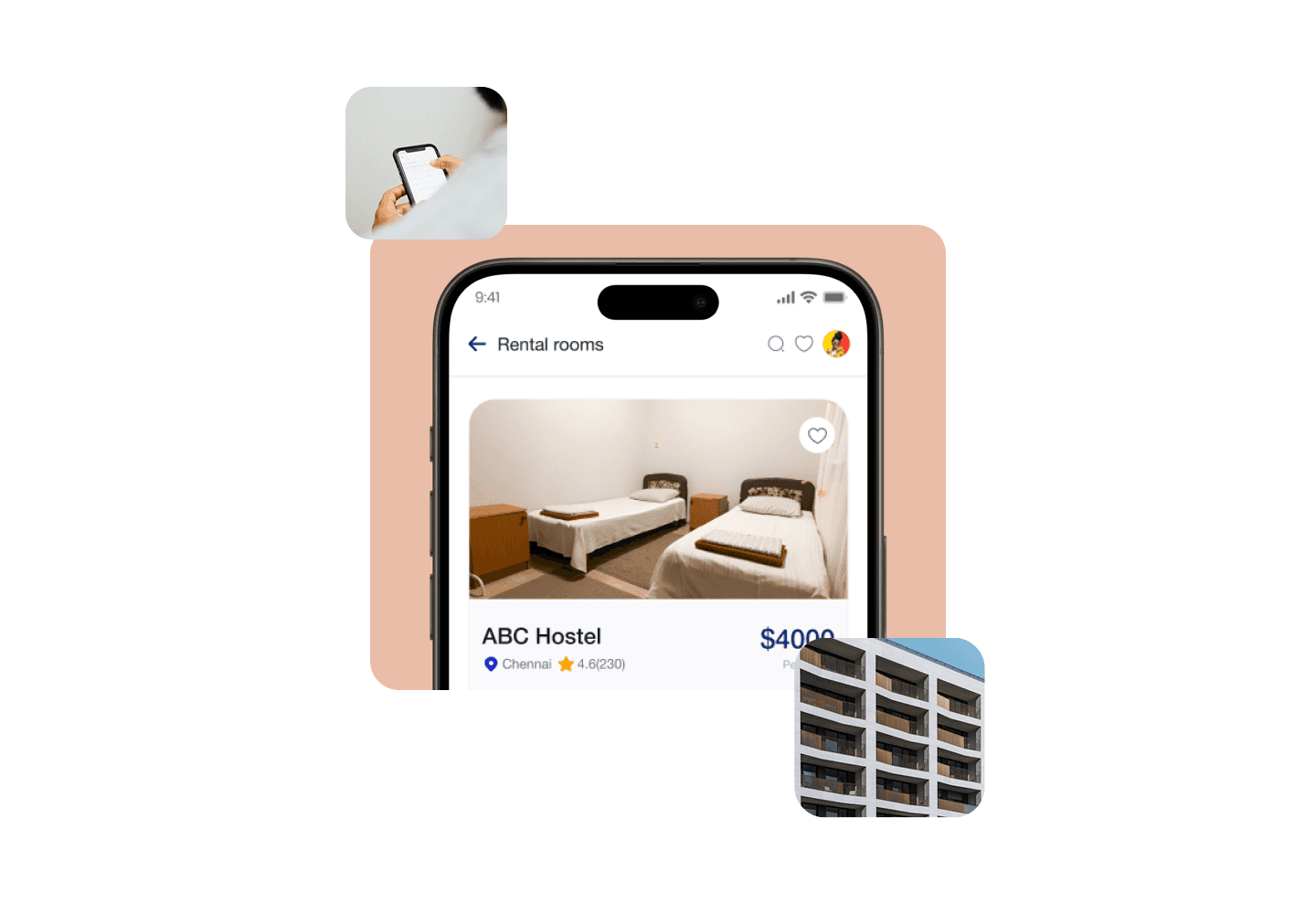
  • Prototyping: Using Figma, I designed high-fidelity screens that reflected real-world usage. The prototypes showcased clear layouts, intuitive navigation, and a mobile-first approach tailored for students and working professionals.

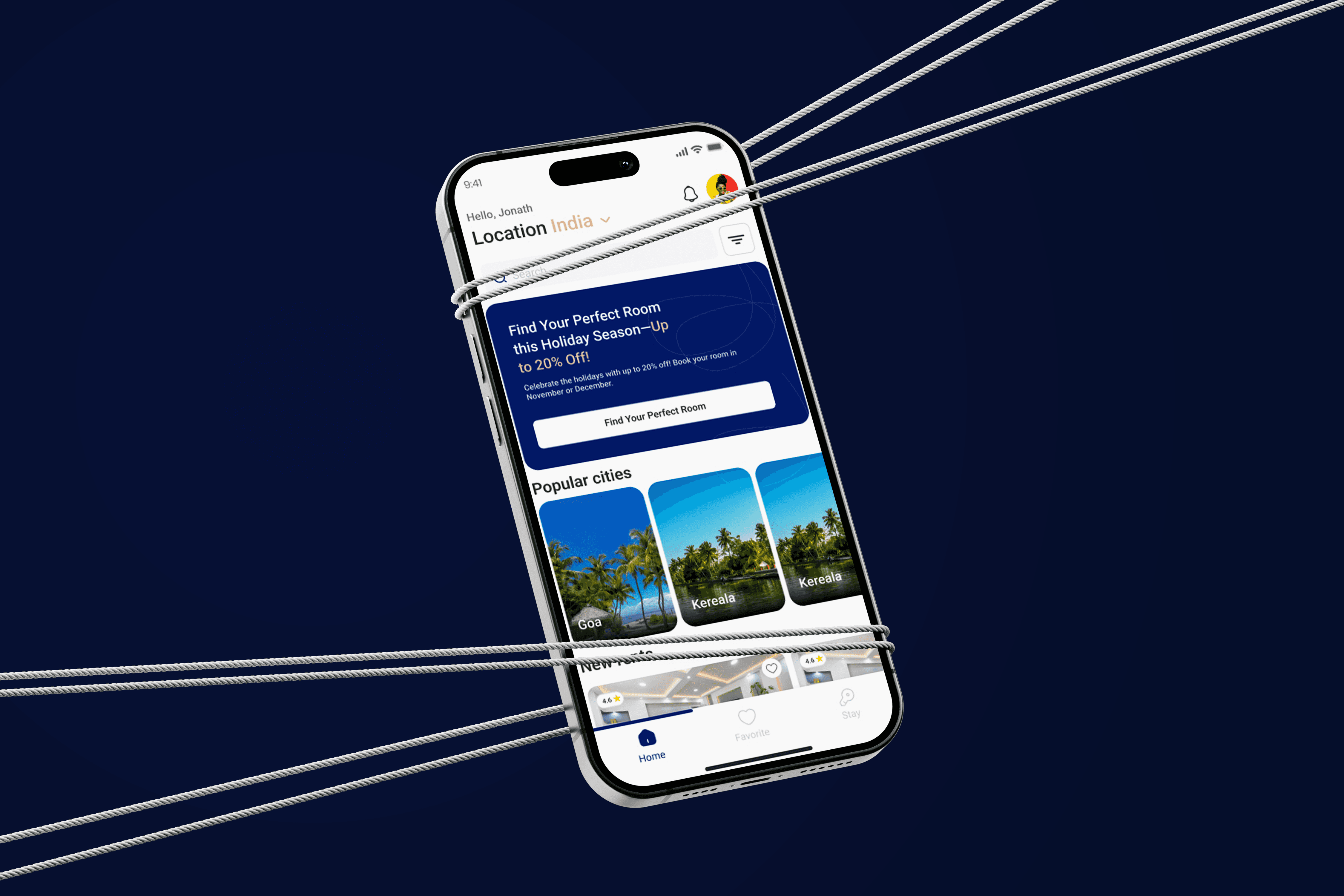
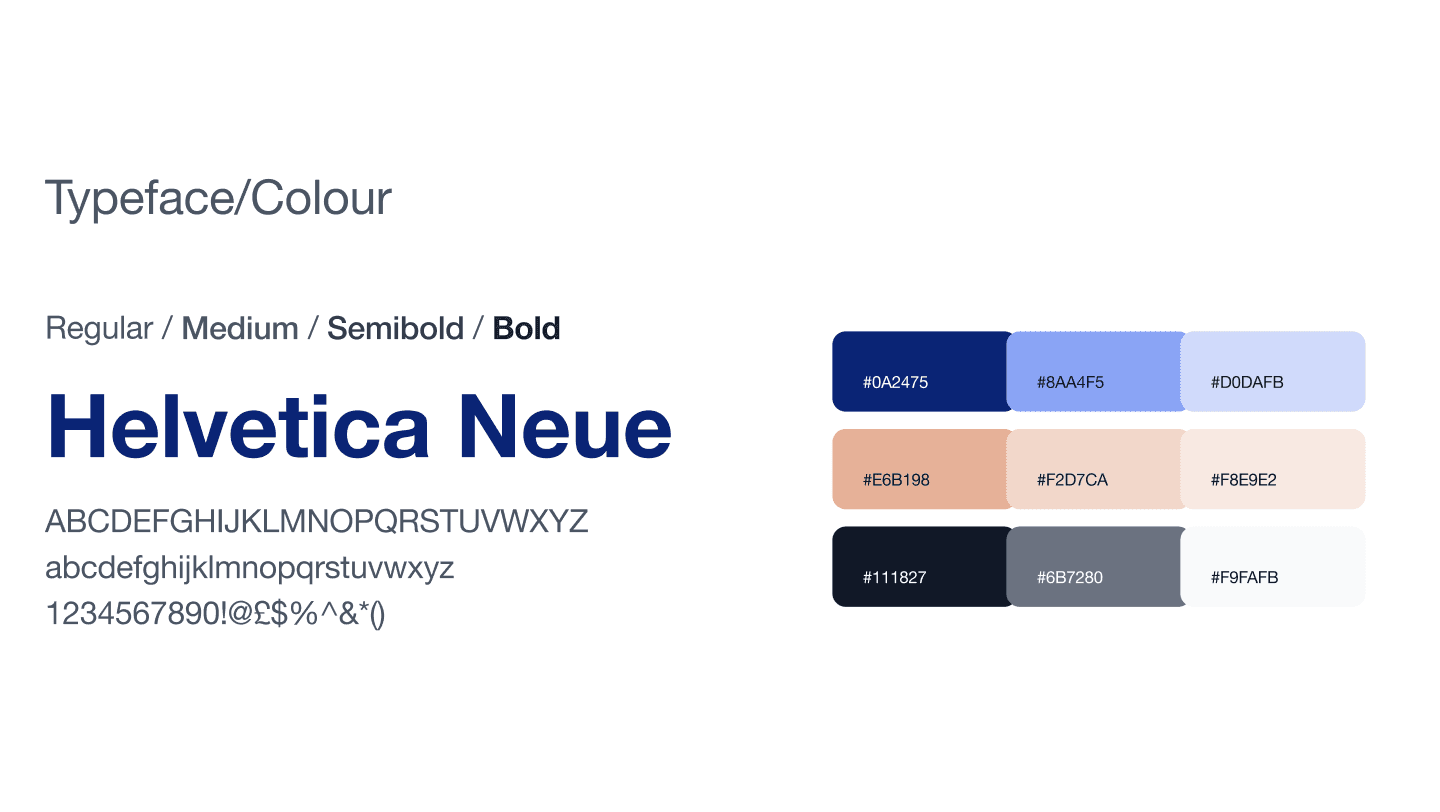
  • UI Design: The UI was designed to feel friendly, trustworthy, and approachable. I used a clean visual style, readable typography, and consistent components to make browsing listings easy and stress-free, especially for first-time users.

Stage 1. User Research

The project began with understanding the challenges people face while searching for PGs, hostels, and rental rooms. Through informal user interviews and secondary research, I identified key pain points such as lack of trust in listings, poor-quality photos, unclear pricing, and difficulty contacting property owners. These insights helped define the core problems FindMyStay aimed to solve.

Stage 2. Design Strategy

Based on research insights, I defined a strategy focused on trust, transparency, and ease of discovery. The goal was to help users quickly find verified stays with clear information and minimal friction. I prioritized features such as detailed room listings, real photos, filters based on user needs, and a simple inquiry flow, while planning scalability for future enhancements like bookings and payments.

Stage 3. Design Execution

  • Wireframing: I created user flows and wireframes for key journeys, including searching for stays, viewing room details, and contacting property owners. The wireframes focused on reducing confusion, improving clarity, and helping users make confident decisions.

  • Prototyping: Using Figma, I designed high-fidelity screens that reflected real-world usage. The prototypes showcased clear layouts, intuitive navigation, and a mobile-first approach tailored for students and working professionals.

  • UI Design: The UI was designed to feel friendly, trustworthy, and approachable. I used a clean visual style, readable typography, and consistent components to make browsing listings easy and stress-free, especially for first-time users.

a cell phone on a white block
two cell phones on a gray surface

Stage 4. User Feedback

I gathered feedback from potential users, including students and working professionals, to validate the concept and usability of the app. Their feedback helped refine filters, improve listing clarity, and simplify navigation. Iterative updates were made to ensure the experience felt intuitive and reliable.

Stage 5. Outcome

FindMyStay resulted in a well-defined product concept that addresses real trust and discovery issues in the rental space. The project established a strong UX foundation with clear user flows and scalable design patterns
a cell phone leaning on a ledge
a pair of cell phones on a concrete block
a cell phone with a yellow rectangular screen

Other projects

Create a free website with Framer, the website builder loved by startups, designers and agencies.